More electric vehicle (EV) myths busted: separating facts from fiction

Electric vehicles are becoming a familiar sight across Western Australia, including in regional and remote communities. Australian electric vehicle (EV) sales hit a record high in March 2026, with 15,839 new battery electric vehicles (BEVs) sold, representing 14.6% of the total market. 

So even with more EVs becoming a familiar sight on our roads there’s still a lot of misconceptions about the energy used to charge them, charging time for regional travel and the impact on our energy grid. There’s no shortage of strong opinions.  

Below we’ve shared some of the most common myths we hear about electric vehicles in regional WA and provide you with the facts behind them.

Myth: Regional EV chargers are just powered by diesel generators
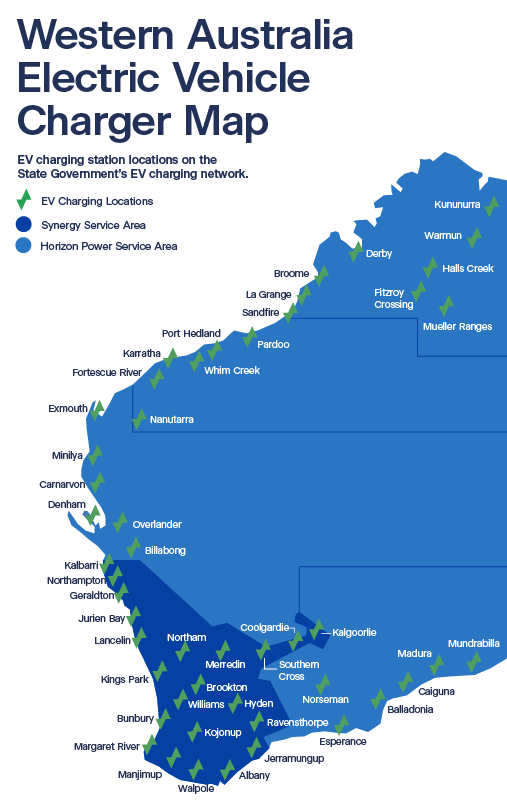
 

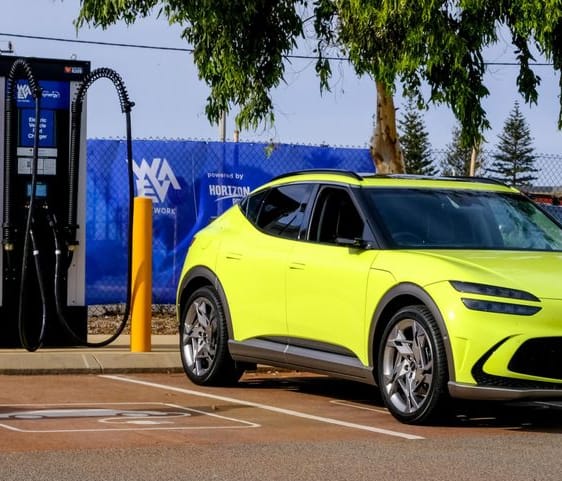
Truth: Across the WA EV Network, there are 49 charging stations (sites) comprising 110 charging points. Within Horizon Power’s regional service area, 16 of these stations are powered by renewable energy.

At these locations, renewable generation is supported by conventional fuel back‑up, such as diesel and gas, to maintain reliability in regional and remote areas.

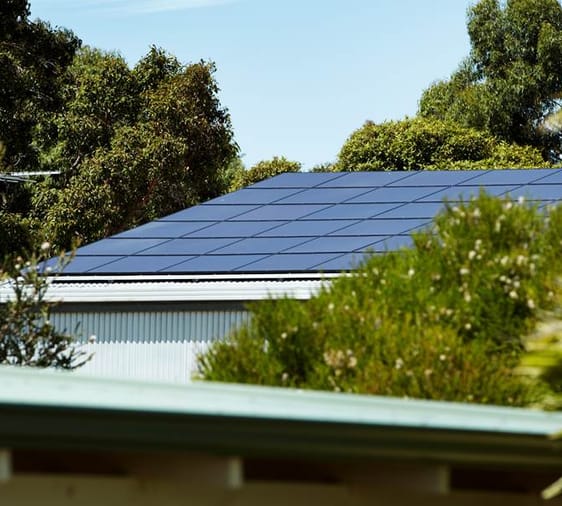
Some remote charging sites also use Stand Alone Power Systems (SPS), which combine solar panels, battery storage and backup generation to provide reliable power in areas without a central grid connection.

Click the map for a closer look at the EV charging station locations.

Myth: Charging an EV takes too long for country travel

Truth: Fast chargers on the WA EV Network can add significant range in a short time — about as long as most people stop for a comfort break, grab a coffee, a bite to eat, and stretch their legs.

Myth: If everyone charges EVs, the energy grid will fail

Truth: Most EV drivers plug in when they get home, which can increase demand during evening peak periods as EV ownership grows.

However, smart charging allows you to schedule charging outside peak times, helping reduce pressure on the grid. If you have access to solar, charging during the day can be an even better option, using excess generation and lowering charging costs.

Myth: EV infrastructure is being rolled out before people are ready for it

Truth: The WA State Government has invested early in EV charging infrastructure through the WA EV Network to support early EV uptake and give regional communities confidence to make the switch when it suits them. 

Like fuel stations, roads and mobile coverage, this infrastructure needs to be in place before it’s widely used. 

Looking ahead

EVs might not be the right fit for everyone in regional WA just yet, but the idea that charging is hard to find or that the grid can’t support them simply doesn’t stack up. The experience of people already driving EVs across our regions shows these concerns aren’t a reality - they’re myths that are quickly being left behind. 

If you’re considering an EV, you might want to check out our Electric Vehicle 101 for clear, practical guidance. The more informed you are, the easier it is to separate fact from fiction and make the decision that best suits you. 

Where to next?

Wondering how an electric vehicle differs from your petrol-powered transportation? Interested in learning more about the WA EV Network? Explore the links below.

Horizon Power acknowledges the Traditional Custodians throughout Western Australia and their continuing connection to the land, waters and community. We pay our respects to all members of the Aboriginal communities and their cultures; and to Elders past, present and emerging.

Aboriginal and Torres Strait Islander people are advised that this website may contain images, names or voices of deceased people.